Selling Japanese Pokémon Cards from Overseas: 4 Routes
The Rundown
- Japan is the cheap side of the Japanese card market, not the expensive side — that price gap is the entire reason proxy buying exists, and it runs against you when you sell.
- Japanese buyback services can't easily transact with you: the Secondhand Articles Dealer Act requires a dealer to verify the counterparty's address, name, occupation and age before buying.
- "I'll just have a friend in Japan consign it" isn't a loophole — the same Act treats taking goods on consignment for sale as secondhand dealing, licence and identity check included.
- For the overwhelming majority of cards, eBay is the default: it's where overseas demand lives, and its Authenticity Guarantee covers trading cards listed or sold at $250 or more.
- The narrow exception is Japan-only supply — event promos, tournament prizes, older JP-only product — where the deep collector base is here. That's a per-card question, never a rule.
Want a real number on a specific card? We check what it's listed for in Japan today. Send a want list →
Contents
You’ve got a stack of Japanese cards and an instinct that says the country that printed them will pay the most for them. It’s a reasonable instinct. It’s also backwards. For almost every card you own, Japan is the cheaper market, and Japanese buyback services aren’t set up to transact with you anyway. Here’s what actually happens when you try, and where the money really is.
The price gap runs the wrong way
Start with the thing this whole site is built on: Japanese domestic marketplaces are where Japanese cards are cheapest. That’s the reason overseas collectors pay proxy fees at all — the singles on Mercari undercut export listings by enough to survive a ¥300–800 service fee, domestic shipping, international shipping and a payment fee on top. We walk through that stack in how to buy Japanese Pokémon cards from overseas.
Now run it backwards. Selling into Japan means selling into the low side of that gap, and paying to move the goods there. The arbitrage that makes buying attractive is the same arbitrage that makes selling unattractive.
Don't ship cards to Japan on spec
The single most expensive mistake here is mailing a parcel to Japan before you have a confirmed buyer who can legally purchase from an overseas seller. You'll pay international postage, possibly Japanese import handling, and then discover the buyback service can't complete the transaction — and you're paying postage a second time to get your cards back.
The legal wall nobody mentions in English
Even if the prices worked, the transaction usually can’t happen. Japan’s Secondhand Articles Dealer Act (古物営業法, kobutsu eigyō hō) exists to stop stolen goods circulating, and it puts a hard identity duty on the buyer, not the seller.
Article 15 requires that when a dealer buys, exchanges, or takes goods on consignment for sale, they must confirm the counterparty is who they say they are — specifically their address, name, occupation and age — via one of a short list of prescribed methods. For non-face-to-face transactions those methods are built around Japanese identity documents and a verifiable Japanese address.
That’s why Japanese buyback flows all ask for a driving licence or My Number card and a domestic address. It isn’t a shop being difficult. It’s the statute.
The consignment idea doesn't rescue it either
Article 2 defines secondhand dealing to include buying and selling or taking goods on consignment to sell. So "I'll have someone in Japan list them for me" lands in the same regulated bucket — licence required, identity check required. There's no clever structure that gets an overseas seller around it.
Proxies only run one way
The obvious next thought is to use the same proxy service you buy with. It doesn’t work: proxies are purchase-and-forward businesses.
ZenMarket’s published fees are all buy-side — a ¥300–800 per-item service fee, consolidation, insurance, photo services. Buyee’s are the same shape: a flat ¥500 per order plus domestic and international shipping. Neither publishes a selling channel, because neither is one. Read the fee pages and you’ll find no line item for “we sell your goods,” in either direction.
🗼 The same wall, read from the buying side
There's a reason every sell-side route into Japan is this hard: Japan is where Japanese-language cards are most plentiful, so it's where their price gets set — and that same abundance is why a domestic buyer's offer for your cards comes back thin. Turned around, it's the argument for treating Japan as the market you buy from rather than sell into, and the buying direction has none of the identity machinery above in it. We don't purchase readers' cards or list anything on your behalf. What the desk does is check what a card is actually going for on the Japanese market right now and send you a free report: the specific listings we would pick, the yen price, condition notes, and an all-in estimate including proxy fees and shipping to your country. You buy directly from the links; our job is finding the best way to buy it from Japan and telling you. On singles the domestic price usually settles it on its own; on sealed product it depends on how much you move at once, which we worked through in yen.
See what buying from Japan actually costs →
The Tokyo Sourcing Desk is our own free service. Editorial policy.
The four routes, ranked
| Route | Who it’s for | Reality check |
|---|---|---|
| eBay | Almost everyone | Where overseas demand for Japanese cards actually is. Authenticity Guarantee covers trading cards listed or sold at $250 or more |
| TCGplayer / regional marketplaces | US sellers with volume | Familiar processes, buyer base that knows JP cards; check each platform’s handling of Japanese-language product |
| Local shops and shows | Bulk and low-value cards | Instant, no fees, no shipping risk — you’ll take a haircut and it’s usually still correct for bulk |
| Into Japan | Almost nobody | Cheaper market, plus an identity-verification wall built for domestic sellers |
The Authenticity Guarantee is the piece worth planning around if you hold anything valuable. On cards listed or sold at $250 or more on eBay.com, a third-party authenticator inspects the card before it reaches the buyer. For a Japanese card being sold to someone who can’t read the print run, that inspection does a lot of work — it converts “trust me, it’s real” into a verified transaction, which is worth more than most sellers realize.
Why the Act exists, and why it won’t bend
It’s tempting to read the identity rule as bureaucratic friction that a determined seller could talk their way past. It isn’t, and understanding why saves you from wasting weeks on it.
Article 1 of the Act states its purpose outright: preventing the sale of stolen goods and enabling them to be found quickly. Every duty downstream — the licence, the identity check, the record-keeping in Article 16 — exists to make a stolen item traceable back to whoever handed it over. A dealer who buys without confirming the counterparty has broken the chain the whole statute is built on.
That’s why there’s no “we’ll make an exception for a good customer” version of it. The check isn’t shop policy that a manager can waive; it’s the condition on which the shop’s licence rests.
What this rules out, concretely
- Mailing cards to a Japanese buyback service from your address abroad
- Having a friend in Japan "hand them in" as if they were theirs — that's a false identity check, and it's their licence-holder taking the risk, not yours
- Consignment through a Japanese shop or individual on your behalf
- Any structure whose selling point is that it skips the identity step
When Japan actually is the right answer
There is a real exception, and it’s narrow: cards whose supply only ever existed here.
Event promos handed out at Japanese tournaments, prize cards, older Japan-only product — for these, the deep collector base is Japanese, and overseas comparables are thin or nonexistent. That’s the shape of card where a Japan-side bid can genuinely beat your home market.
Two honest caveats. First, this is a per-card question, not a category rule: you have to check the specific card, not assume the pattern. Second, the identity wall above doesn’t disappear because the card is rare — you still need a route that can legally buy from an overseas seller, which is why most people in this position end up selling to an overseas collector who wants it rather than into Japan.
If you’re weighing the JP-versus-EN version question in the first place, the value differences are covered separately in Japanese vs English Pokémon cards. And if the card’s condition is the open question, the routes to getting it graded are in PSA grading Japanese cards.
What to do with the pile
Split it in three. Anything genuinely valuable goes to eBay, and anything over the $250 threshold gets the Authenticity Guarantee working for you. Bulk goes local, because shipping economics eat low-value cards alive. And the handful of Japan-only oddities get individually checked rather than lumped in with either — those are the only ones where the Japanese market is even a question worth asking.
Frequently asked questions
Can I sell my Japanese Pokémon cards to a shop in Japan from abroad?
In practice, no. Japan's Secondhand Articles Dealer Act requires a dealer buying used goods to confirm the counterparty's address, name, occupation and age, and the standard non-face-to-face methods Japanese buyback services use are built around Japanese identity documents and Japanese addresses. Services are designed for domestic sellers, so an overseas address usually stops the process before it starts.
Can a proxy service like ZenMarket or Buyee sell my cards for me?
No — proxies run in one direction. Their published fee structures are for buying on your behalf and forwarding parcels to you, not for receiving your goods and selling them into the Japanese market. Neither service offers a card selling channel.
Are Japanese cards worth more in Japan?
Usually the opposite. Japanese domestic marketplaces are where prices are lowest — that gap is exactly why overseas collectors pay proxy fees to buy from here. When you sell, that same gap works against you, and the fees to move cards into Japan come off the top.
What about Japan-only promos I can't find anywhere else?
That's the real exception. Where the supply only ever existed in Japan and the deep collector base is Japanese, the Japan-side bid can beat your home market. It's still a per-card question, and you'd still need a route that can legally transact with an overseas seller — so check the eBay comparison first.
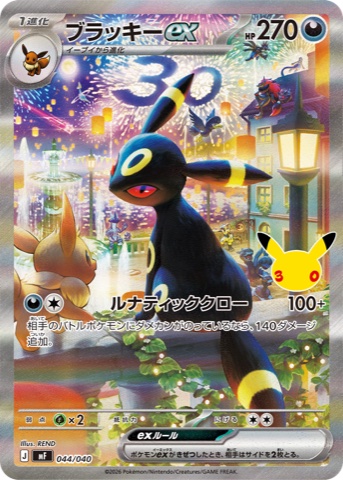 30th CELEBRATION Premium Deck Set Price in Japan: ¥18,000 vs ¥6,200
  Ninja Spinner Card Prices in Japan: Mega Greninja ex MUR at ¥59,800
  Abyss Eye Card Prices in Japan: Mega Darkrai ex MUR at ¥34,800
 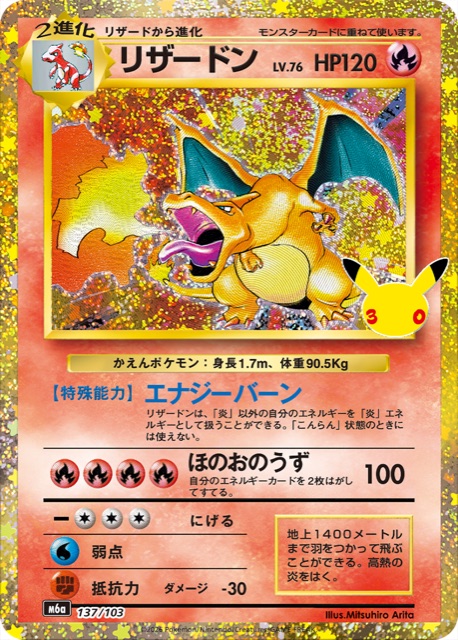 30th Celebration Classic Collection: Why Charizard & Lugia Doubled