PSA Grading Japanese Pokémon Cards: Costs, Routes, Reality
The Rundown
- PSA Japan (psacard.co.jp) only accepts submissions from residents of Japan — overseas collectors submit to PSA's US office, not the Tokyo branch.
- PSA's cheapest active tier in 2026 is Regular at $79.99/card (up to $1,500 declared value, ~45 business days); the old sub-$30 Value tiers were paused.
- BGS and CGC start lower (around $15/card) but a PSA 10 on a Japanese SAR usually carries the biggest resale premium of the three.
- Japanese cards are commonly reported to grade well on centering and surface — a tendency, not a guarantee. Grading never adds value by itself.
- Learn the condition words JP sellers use — 未使用 (unused), 美品 (near-mint), 傷あり (has damage) — before buying a raw card to grade.
Want a real number on a specific card? We check what it's listed for in Japan today. Send a want list →
Contents
You’ve got a Japanese chase card and you’re wondering whether a plastic slab will make it worth more — and whether you can even get it graded from outside Japan. You can, but not through PSA’s Tokyo office: PSA Japan only takes submissions from Japanese residents, so overseas collectors route cards to PSA’s US facility (or use BGS/CGC), pay from about $80 a card, and wait weeks. Grading protects and authenticates a card; it does not create value on its own. Here’s the real process, the real costs, and where people lose money.
Why Japanese cards have a grading reputation
Ask around and you’ll hear that Japanese cards “grade well.” There’s something to it, but be careful how much weight you put on it.
Collectors commonly report two things: Japanese print runs tend to have tidy centering, and the card stock and surface hold up cleanly out of the pack. Because Japanese sets are the original print of every Pokémon set (see Japanese vs English cards), you’re often buying the first, freshest run.
But this is a tendency across a lot of cards, not a promise about your card. Every grader applies the same condition standard regardless of language, and a single print dimple, a whitened edge, or off-centre framing tanks the grade no matter where the card came from.
⚠️ "JP grades well" is not an inspection
Modern SAR and UR cards have textured, embossed surfaces that scratch and show factory lines easily. Under a bright light and a loupe, inspect corners, centering, and surface before you spend a cent on grading. The reputation of Japanese cards will not save a card with a flaw.
Your three grading routes
Three companies do the overwhelming majority of Pokémon grading: PSA, BGS (Beckett), and CGC. They encapsulate the card in a sealed holder with a numbered certificate and a grade, usually on a 1–10 scale.
🔴 PSA
- Deepest resale market for Pokémon
- PSA 10 on JP SARs carries the biggest premium
- Single overall grade, no sub-grades
- Higher entry price in 2026
🟡 BGS (Beckett)
- Four sub-grades: centering, corners, edges, surface
- Coveted black-label 10
- Accepts international submissions directly
- Lower entry price than PSA
🔵 CGC
- Cheapest entry point of the three
- Fast turnaround on some tiers
- Growing but thinner resale liquidity
- Good for personal/collection grading
The headline trap is PSA Japan. PSA opened a Tokyo authentication and grading facility (its president framed it as serving “the Japanese marketplace with shorter and more convenient shipping times”), and its Japanese-language site is psacard.co.jp. But PSA’s own support page is blunt: the Japan branch only accepts submissions from residents of Japan. If you’re overseas, that door is closed — you go through the US office or an intermediary. Do not plan a submission around shipping to Tokyo yourself.
What PSA actually costs and how long it takes
PSA restructured its tiers in 2026 and paused the old bargain “Value” bulk levels. As of this writing, these are the live PSA service levels from PSA’s official fees page:
| PSA service level | Price / card (USD) | Max declared value | Est. turnaround |
|---|---|---|---|
| Regular | $79.99 | $1,500 | ~45 business days |
| Express | $149 | $2,500 | ~25 business days |
| Super Express | $349 | $5,000 | ~8 business days |
| Walk-Through | $599 | $10,000 | ~6 business days |
| Premium 1 | $999 | $25,000 | ~6 business days |
The “declared value” cap matters: you must pick a tier whose cap covers the card’s value, so a genuinely expensive card forces you up into the pricier tiers. On top of the per-card fee, budget for insured shipping both ways and, for overseas submitters, international shipping plus any customs on the return.
BGS and CGC start lower — both have entry tiers in the roughly $15/card range — which makes them attractive for grading a stack of mid-value cards. But cheaper grading on a card that mostly sells well in a PSA slab can be a false economy at resale. Match the grader to your goal.
One number decides everything: the grade gap. On modern cards a PSA 10 can sell for several times a PSA 9 of the same card, so that spread — not the raw price — is what makes grading worth it. If you’re not confident the card is a 10 candidate, the math usually doesn’t work.
How overseas collectors actually get JP cards graded
Since you can’t use PSA Japan, and mailing single cards across borders yourself is slow and risky, most overseas collectors run cards through a proxy or forwarding service that already holds their Japanese purchases.
The two common paths: submit from your home country (buy the raw card, import it, submit to PSA US or CGC), or submit within Japan through a shop/agent that offers grading before the card ever leaves the country. The second saves a leg of shipping but hands more of the process to a third party. Our proxy shipping cost breakdown shows where the fees stack up.
🗼 The sourcing half, not the grading half
Before any of this you have to own the card, and buying raw off Japanese listing photos is where the condition risk actually lives. To be clear about what we are not: the Tokyo Sourcing Desk does not run grading submissions, bulk or otherwise, and it does not buy or hold cards for anyone. What it does is the finding step — locate the raw card, or an already-slabbed copy that exists on the Japanese market, and send you a free report with the specific listings we would pick, the yen price, the seller's Japanese condition wording translated rather than glossed, what the listing photos do and do not establish about centering and edges, and an all-in estimate including proxy fees and shipping. You buy directly from the links; our job is finding the best way to buy it from Japan and telling you.
Get a free report on the card →
The Tokyo Sourcing Desk is our own free service. Editorial policy.
Raw vs graded: buying from Japan
Sometimes the smart move is to skip grading entirely and buy a card that’s already slabbed, or to buy raw and never grade. Buying raw is the cheapest way in with the widest selection on Mercari and Yahoo — but you carry all the condition risk from photos, which is fine for binder cards you’ll never slab. Buying an already-graded card hands you the grade and the wait done, and slabs travel and store safely; you just pay the seller’s grading cost plus a margin, and you should verify the cert number on the grader’s site before you trust it.
For high-value chase cards you intend to keep in top condition, an existing PSA 10 from Japan can be cheaper than buying raw and gambling on your own submission. For everything else, raw is usually the rational buy.
Condition terms Japanese sellers use
Buying raw to grade means reading Japanese listings correctly. Sellers on Mercari and Yahoo Auctions lean on a small vocabulary — learn it before you bid.
| Japanese | Reading | What it means |
|---|---|---|
| 未使用 | mishiyō | Unused / effectively new |
| 美品 | bihin | Beautiful/near-mint condition |
| 傷あり / キズあり | kizu ari | Has scratches or damage |
| やや傷や汚れあり | — | Minor scratches/dirt (a Mercari condition tier) |
| 現状渡し | genjō watashi | Sold as-is, no returns |
| ジャンク | janku | ”Junk” — poor condition, buy at your own risk |
✅ Before you submit anything
- Inspected the card under bright light and magnification, not just seller photos
- Confirmed a PSA 10 (or BGS/CGC equivalent) sells for clearly more than raw + fees + shipping
- Chosen a service tier whose declared-value cap covers the card
- Budgeted return shipping and customs on the graded value
- Accepted that the card might come back a 9 — and you're still okay with the buy
Grading is a tool for protection, authentication, and — sometimes — a resale premium on genuinely gem-mint cards. It is not a money printer, and the fees and waits are real. Go in with the card inspected and the numbers run, and it’s a sound move. Go in hoping the slab does the work, and it usually costs you.
Frequently asked questions
Can I submit Japanese cards to PSA Japan from overseas?
No. PSA's own support page states the Japan branch only accepts submissions from residents of Japan. If you live outside Japan, you submit to PSA's US office instead, or use an authorized dealer/intermediary. The Tokyo facility exists mainly to serve the domestic Japanese market with faster local shipping.
Do Japanese Pokémon cards grade higher than English ones?
Not automatically. Collectors commonly report that Japanese cards centre and surface well, which can help, but grading companies apply the same condition standards to every language and print run. Individual cards vary hugely. Treat 'JP grades better' as a rough tendency, never a reason to skip inspecting the card.
Which grader is best for Japanese cards — PSA, BGS, or CGC?
For resale, PSA 10 slabs on Japanese SARs and Secret Rares generally command the highest premium and deepest buyer pool. BGS is favoured for its four sub-grades and Black Label; CGC has a cheaper entry point and fast turnaround but thinner secondary-market liquidity. Match the grader to whether you're holding or selling.
Is it cheaper to buy a card already graded from Japan?
Often, for common grades. A Japanese seller who already paid to grade a card has done the work and the wait for you, and slabbed singles ship well. The catch is you're trusting their photos and the grade — verify the cert number on the grader's site and factor in that any PSA/BGS/CGC slab still crosses customs like any other import.
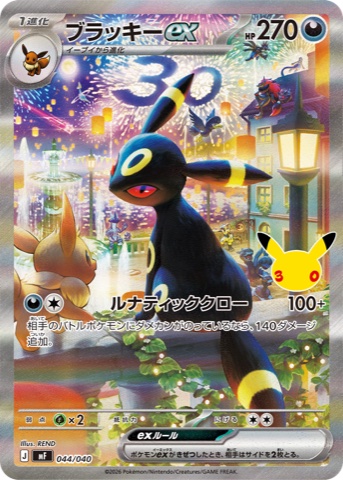 30th CELEBRATION Premium Deck Set Price in Japan: ¥18,000 vs ¥6,200
  Ninja Spinner Card Prices in Japan: Mega Greninja ex MUR at ¥59,800
  Abyss Eye Card Prices in Japan: Mega Darkrai ex MUR at ¥34,800
 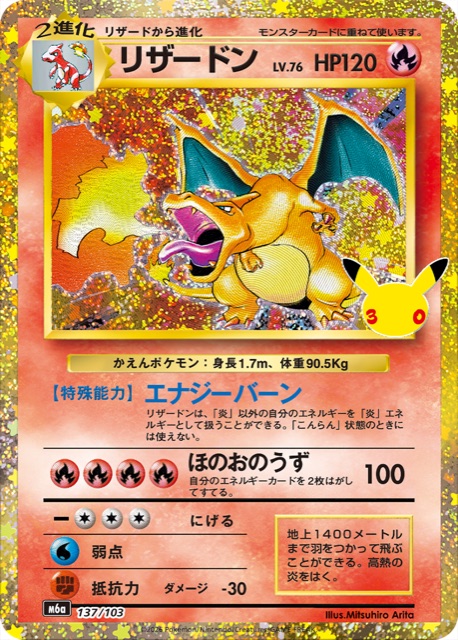 30th Celebration Classic Collection: Why Charizard & Lugia Doubled