Is It Cheaper to Buy Pokémon Cards in Japan? ¥200 a Pack, Not ¥150
The Rundown
- Official Japanese pack prices, tax included, checked October 10, 2026: ¥200 for 5 cards (Storm Emeralda, Abyss Eye), ¥360 for 6 holo cards (30th CELEBRATION), ¥550 for 10 cards (high class pack).
- Japanese packs are not ¥150. ¥165 with tax (¥150 before tax) was the Sword & Shield price, last used in October 2022; standard packs then went to ¥180 and, from May 2026, ¥200.
- A box at Pokémon Center Online is exactly pack price times pack count: ¥6,000 for 30 standard packs, ¥7,200 for 20 30th CELEBRATION packs, ¥5,500 for 10 high class packs. All of them are sold by lottery.
- The US publishes no MSRP. Pokémon Center listed a 10-card English pack at $4.49 on July 27, 2026, so per card it's ¥40 against about 45 cents: most of the pack-to-pack gap is pack size, not price.
- Fixed overhead of ¥350 proxy fee plus ¥500 packing plus ¥5,300 EMS stops outweighing the product itself at 31 packs in one parcel.
Want a real number on a specific card? We check what it's listed for in Japan today. Send a want list →
Contents
- How much does a Pokémon booster pack cost in Japan?
- Is it true Japanese Pokémon packs are 150 yen?
- How much is a booster box in Japan?
- Is it cheaper to buy Pokémon cards in Japan than in the US?
- What does it actually cost to get those packs to your door?
- At what order size does importing stop being expensive?
- What’s genuinely cheaper in Japan, and what isn’t
- Where to buy: Japanese Pokémon cards
Where to buy: Japanese Pokémon cardseBay(paid link)Mercari via Buyee(paid link)Yahoo! Auctions via Buyee(paid link)Fees and what to read first ↓
The most repeated claim in overseas Pokémon collecting is that Japan is cheaper. It’s half true, and the half that isn’t is the half that costs people money. A Japanese booster pack is ¥200 for five cards and a box is ¥6,000 for thirty packs, against $4.49 for a ten-card English pack at Pokémon Center. Per card that gap is real but much smaller than it looks, and proxy fees plus postage close it unless you order roughly thirty packs at a time. Here is the full price list by product type first, then the arithmetic that decides whether importing beats your local shelf.
How much does a Pokémon booster pack cost in Japan?
¥200 for a standard five-card pack, tax included. That is the official price of the two newest MEGA expansions, Storm Emeralda (ストームエメラルダ) and Abyss Eye (アビスアイ). The other current pack types are ¥360 for a six-card 30th CELEBRATION pack and ¥550 for a ten-card high class pack, and a box is always the pack price times the pack count.
| Pack type | Product (Japanese release) | Pack price | Cards per pack | Packs per box | Box price | Official source |
|---|---|---|---|---|---|---|
| Standard expansion 拡張パック | Storm Emeralda, m6 (Jul 31, 2026) | ¥200 | 5 | 30 | ¥6,000 | set page, box |
| Standard expansion 拡張パック | Abyss Eye, m5 (May 22, 2026) | ¥200 | 5 | 30 | ¥6,000 | set page, box |
| Standard expansion 拡張パック | Ninja Spinner, m4 (Mar 13, 2026) | ¥180 | 5 | 30 | ¥5,400 | set page, box |
| Anniversary expansion 拡張パック | 30th CELEBRATION, m6a (Sep 16, 2026) | ¥360 | 6, all holo | 20 | ¥7,200 | set page, box |
| High class pack ハイクラスパック | MEGA Dream ex, m2a (Nov 28, 2025) | ¥550 | 10 | 10 | ¥5,500 | set page, box |
Pack prices are the 希望小売価格 (kibō kōri kakaku, suggested retail price) printed on each official set page, tax included. The set pages publish no box figures, so packs per box and box prices come from Pokémon Center Online, The Pokémon Company’s own store. Every figure in the table was checked on October 10, 2026. For the English side, Pokémon Center listed a ten-card booster pack at $4.49, a 36-pack display box at $161.64 and the six-pack 30th Celebration Booster Bundle at $26.94 when we read it on July 27, 2026. Its site blocks automated requests, so treat those as a July reading.
If you want the tiers explained rather than tabled, including why a starter deck sits at ¥1,800, that’s in Japanese Pokémon product types explained.
💡 Only one side of this comparison is an MSRP
Every Japanese pack price is a 希望小売価格, a suggested retail price the manufacturer publishes and Japanese shops broadly anchor to. The Pokémon Company International publishes no US price at all. The dollar figures are one retailer's list prices, from a retailer that is frequently out of stock, so check whether the US number in any "half price" claim was ever an official one.
Is it true Japanese Pokémon packs are 150 yen?
No, not anymore. A standard Japanese pack is ¥200 tax included today, and it was ¥180 as recently as Ninja Spinner in March 2026. The ¥150 figure is ¥165 with tax, the Sword & Shield price, and the last pack released at it was Paradigm Trigger in October 2022.
The number isn’t invented, it’s just old. Sword & Shield expansion packs carried a suggested retail price of ¥165 tax included, which is ¥150 before Japan’s 10% consumption tax, and the Paradigm Trigger set page still shows it. Five-card standard packs moved to ¥180 with Scarlet ex and Violet ex in January 2023 and stayed there for three years, then went to ¥200 with Abyss Eye in May 2026. A guide or video quoting ¥150 a pack is quoting a 2022 price, a pre-tax one, or both. Budget ¥200 for a standard pack and more for the special lines.
How much is a booster box in Japan?
¥6,000 for a 30-pack Storm Emeralda or Abyss Eye box, ¥7,200 for a 20-pack 30th CELEBRATION box and ¥5,500 for a 10-pack high class box, all at Pokémon Center Online. None of those is a manufacturer MSRP, and none is a price you can simply walk up and pay: every one of those listings is a lottery.
Divide any box by its pack count and you land exactly on the pack price: ¥6,000 across 30 packs is ¥200, ¥7,200 across 20 is ¥360. A Japanese box is a carton of packs at pack price, with no bulk discount attached, the opposite of how English display boxes tend to be priced against loose packs. The draws are narrow, too. Storm Emeralda went back into a Pokémon Center Online lottery in October 2026 that only Players Club members with completed identity verification could enter, one entry per person.
The number you will actually be quoted is a different one. On August 6, 2026 the nineteen sealed Storm Emeralda box listings on Yahoo! Shopping ran ¥19,800 to ¥34,980 with a median of ¥25,000, roughly four times the store price. We took that gap apart in Storm Emeralda booster box price in Japan, and the anniversary box has its own numbers in the 30th CELEBRATION BOX breakdown.
Is it cheaper to buy Pokémon cards in Japan than in the US?
At the sticker, yes, and by less than it looks. At your door, only if you buy like a distributor rather than like a shopper.
¥200 next to $4.49 looks like a rout. It isn’t, because you are not buying the same object. An English booster pack contains ten cards plus a Basic Energy, and Pokémon Center says so in the product name itself: “Booster Pack (10 Cards)”. The Japanese Storm Emeralda pack contains five cards, per the official product page, and the set contains no Basic Energy cards at all. So ten Japanese cards means buying two packs: ¥400, not ¥200.
Per card, that is ¥40 in Japan against about 45 cents in the US at list. Convert both sides to a per-card number and most of the apparent gap disappears before a single fee is added. The 30th CELEBRATION pack cuts the other way, because ¥360 buys six cards and the official page states that all six are holo, though one of them is a Basic Energy. Pack contents differ enough between the two markets that per-pack pricing tells you almost nothing on its own.
⚠️ Price per pack is not price per card
A standard Japanese pack is 5 cards; an English pack is 10 cards plus an energy card. If you budget your import by pack count rather than card count, you will order half the cards you thought you were ordering and pay the international postage anyway. Convert both sides to a per-card number before you compare anything.
What does it actually cost to get those packs to your door?
Here’s a concrete basket: 30 Storm Emeralda packs at the published ¥200, bought through one proxy service and shipped to the United States by Japan Post EMS. Neokyo publishes its fee schedule openly, so the middle of this stack is verifiable rather than estimated.
| Line item | Cost | Note |
|---|---|---|
| 30 packs at MSRP | ¥6,000 | Assumes you can buy at MSRP, which hot sets often aren’t |
| Proxy service fee | ¥350 | Per item; charged once for multiple copies in one buy request |
| Japanese domestic shipping to the warehouse | pass-through | Actual seller cost, not published. Varies by shop |
| Packing fee (parcel up to 2kg) | ¥500 | Box and padding |
| EMS to the US, up-to-1kg bracket | ¥5,300 | Japan Post published rate; proxy adds no markup |
| US import entry | applies, amount not fixed | The duty-free floor is gone. See below |
| Subtotal before import charges | ¥12,150 |
That’s ¥405 per pack landed, or ¥810 for ten Japanese cards, against $4.49 for a ten-card English pack at list. Two caveats keep this honest. The EMS bracket depends on the finished parcel weight, which your proxy weighs at the warehouse; under 500g the charge drops to ¥3,900, and heavier parcels climb to ¥5,990 at 1.25kg and ¥7,900 at 2kg. And the ¥350 service fee is per item, so buying those packs from three different listings makes it ¥1,050, not ¥350. Fee structures differ meaningfully between services, and ZenMarket, Buyee and Neokyo compared covers where each one charges you.
🗼 The real number for your basket
Whether Japan is cheaper depends entirely on the basket: the per-item fee, how many separate listings it takes to fill it, and which EMS bracket the finished parcel lands in. Send us the packs or the specific cards and the desk prices them against what Japanese shops and marketplaces are actually asking that day, then sends back a free report: the listings we would pick, the yen price, and an all-in estimate with the per-item fees, the number of separate sellers and the postage bracket your basket really lands in already applied. If that number doesn't beat buying locally, the report says so. That is the useful answer, and it costs you nothing to get it. You buy directly from the links; our job is finding the best way to buy it from Japan and telling you.
Get a free report on your basket →
The Tokyo Sourcing Desk is our own free service. Editorial policy.
Two costs in that table resist being tabled at all. The first is import. US Customs and Border Protection published a rule on June 24, 2026, effective July 24, that indefinitely suspends the $800 de minimis exemption for goods valued at $800 or less arriving through the international postal network, and sets up a new postal informal entry process in its place. EMS from Japan arrives through exactly that channel, so a low-value parcel no longer clears free the way it did in the spring. What you’ll owe depends on your entry, and the mechanics are in import tax and customs on cards. The second is currency. Proxies bill in yen, and Neokyo states plainly that its dollar figures are informational and that “the actual exchange rate will be determined by your payment agency”, which usually means your card issuer’s rate plus a foreign transaction fee.
At what order size does importing stop being expensive?
Three of those costs don’t care how much you buy. The service fee, the packing fee and the EMS charge total ¥6,150 whether the box holds five packs or fifty. Spread that across the order and the picture changes fast.
| Packs in one parcel | Fixed cost per pack | Landed cost per pack |
|---|---|---|
| 5 | ¥1,230 | ¥1,430 |
| 10 | ¥615 | ¥815 |
| 20 | ¥308 | ¥508 |
| 30 | ¥205 | ¥405 |
| 45 | ¥137 | ¥337 |
The break-even is simple division: ¥6,150 of fixed cost divided by a ¥200 pack is 30.75, so at 31 packs the overhead finally stops being larger than the product you’re buying. Below that, you are mostly buying shipping. At five packs you’re paying more than six times the sticker price for the privilege.
The curve also flattens rather than falling forever. At 45 packs the fixed share is down to ¥137, but a parcel that size will likely have left the up-to-1kg EMS bracket, which pushes the shipping line back up and resets some of the gain. That’s the real ceiling on this strategy: consolidation buys you a lot, and then weight starts buying it back. The bracket-by-bracket detail is in what shipping from Japan actually costs.
What’s genuinely cheaper in Japan, and what isn’t
The honest answer splits by product type rather than by country.
✅ Worth importing
- Japan-only products with no English equivalent, where you're paying MSRP for something you otherwise can't buy
- Large sealed orders: 30+ packs, or several boxes in one parcel
- Bulk singles, where Japan's domestic market has far more copies listed
- Sets where the English release is months away
❌ Rarely worth importing
- One or two packs, where fixed costs multiply the price several times over
- Chase singles from current sets, priced by a global pool of buyers
- Anything hot at release: Japanese shops price above MSRP under demand too
- Sealed boxes bought from resellers at four times the store price
The chase-single point deserves the emphasis. A fixed domestic MSRP is what makes sealed Japanese product cheap, and singles have no MSRP. The people bidding on a Storm Emeralda special art rare are in Tokyo, Los Angeles and Berlin at the same time, looking at the same comps. Buying that card through a proxy doesn’t discount it. It just moves the fee stack from the seller’s side to yours.
So: cheaper in Japan, yes, at the sticker, and the sticker is published for anyone to read. Cheaper at your door, only once your basket is big enough to carry the postage. If the honest answer for your basket is “not cheaper”, that’s useful too, because it means you can buy locally, keep the cards, and skip four weeks of tracking numbers.
Frequently asked questions
Are Japanese Pokémon packs 150 yen?
No. A standard Japanese expansion pack is ¥200 tax included today: that is the official price of Storm Emeralda and Abyss Eye. The ¥150 figure comes from the Sword & Shield era, when packs were ¥165 tax included, or ¥150 before Japan's 10% consumption tax. The last ¥165 standard pack was Paradigm Trigger in October 2022; standard five-card packs then cost ¥180 through Ninja Spinner in March 2026.
How much is a pack of Pokémon cards in Tokyo?
The same as anywhere else in Japan, because the suggested retail price is national: ¥200 tax included for a standard five-card pack, ¥360 for a 30th CELEBRATION pack and ¥550 for a high class pack. Shops anchor their regular stock to those numbers. The catch is availability, not price: popular sets sell out or go to lottery, and resale listings for sealed product sit well above the official figure.
Are Japanese Pokémon packs more worth it than English packs?
Per card, the gap is smaller than the sticker suggests. A ¥200 Japanese pack holds 5 cards, so ¥40 a card, while a $4.49 English pack holds 10 cards plus a Basic Energy, about 45 cents a card. Japanese packs are still cheaper per card at the sticker, but once you add proxy fees and international postage they only beat local English packs when you order roughly 30 packs or more in one parcel.
How much is a box of Pokémon cards in Japan?
At Pokémon Center Online, The Pokémon Company's own shop: ¥6,000 for a 30-pack Storm Emeralda or Abyss Eye box, ¥7,200 for a 20-pack 30th CELEBRATION box and ¥5,500 for a 10-pack MEGA Dream ex high class box. Each is exactly the pack price times the pack count, because a Japanese box carries no bulk discount. None of them is a manufacturer MSRP and all of them are sold by lottery. On the resale market a sealed Storm Emeralda box asked a median ¥25,000 across 19 listings on August 6, 2026.
How much does a Japanese Pokémon pack cost in US dollars?
The yen price is fixed and the dollar price is not, which is why we don't print a frozen one. A standard pack is ¥200, a 30th CELEBRATION pack is ¥360, and a high class pack is ¥550, all tax included. Every yen figure on this site carries an approximate dollar conversion beside it. Your own cost will differ by your card issuer's exchange rate plus any foreign transaction fee, and proxy services bill in yen, so the whole Japanese side of the comparison moves together when the rate moves.
Is it cheaper to import from Japan or buy Japanese cards from a US reseller?
For small quantities, the US reseller usually wins. They've already paid the same proxy, freight and customs costs you would, but spread across a pallet rather than one parcel, so their per-card overhead is a fraction of yours. Personal importing only overtakes them when your own order is large enough to amortize the fixed costs, or when you want something they don't stock.
Are chase singles cheaper in Japan?
Much less often than sealed product is. A high-end single from a current set is priced by a global pool of buyers, with collectors in Tokyo, Los Angeles and Berlin bidding on the same card, so geography doesn't discount it the way a fixed domestic MSRP discounts a sealed pack. What you can find in Japan is depth: far more copies listed, in more conditions, on the domestic singles market.
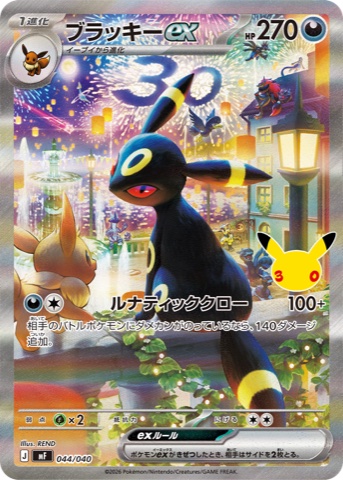 30th CELEBRATION Premium Deck Set Price in Japan: ¥18,000 vs ¥6,200
  Ninja Spinner Card Prices in Japan: Mega Greninja ex MUR at ¥59,800
  Abyss Eye Card Prices in Japan: Mega Darkrai ex MUR at ¥34,800
 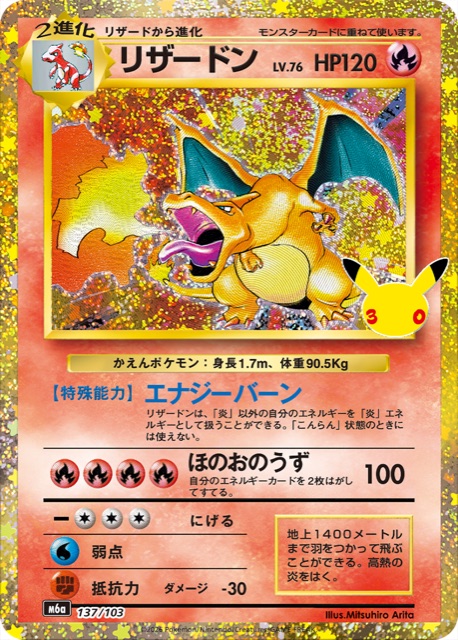 30th Celebration Classic Collection: Why Charizard & Lugia Doubled