Japanese Card Buyback Services: Why None of Them Can Buy From You
The Rundown
- Not one of the five services says "overseas sellers prohibited" anywhere. The exclusion is built into the identity checks instead — which is why people waste weeks discovering it.
- Suruga-ya's accepted-ID list restricts both the driving licence and the passport to 日本国発行のものに限る — Japan-issued only. A foreign passport is not on the list.
- Toretoku is the hardest gate: only My Number card, Japanese driving licence, or residence card, with an explicit "no other documents accepted" clause.
- Suruga-ya and Toretoku both post 転送不要 (no-forwarding) registered mail to the address on your ID and pay only after you receive it. There is no version of that which works abroad.
- Toretoku confirms it does appraise English-language cards. The barrier is never the cards — it's who is allowed to hand them over.
Want a real number on a specific card? We check what it's listed for in Japan today. Send a want list →
Contents
You’ve read that Japan is where the cards are, so it seems obvious that Japan is where the cards sell. Then you start filling in a buyback form and hit a wall you can’t quite name — the form has 47 prefectures and no country field, or the ID list has one line of Japanese you can’t parse.
Here’s what that line usually says, and why four of these five services can’t buy from you no matter how good your cards are. We read the terms pages of all five in July 2026.
Nobody actually says “no”
Worth stating up front, because it explains why this wastes so much of people’s time: not one of these five services has a sentence anywhere saying overseas sellers are prohibited. No “海外在住の方はご利用いただけません”, no English notice, nothing.
The exclusion is a side effect of four requirements that appear separately and look innocuous on their own.
The four gates
Each requirement has an ordinary anti-fraud reason. Stacked, they exclude every seller outside Japan — without anyone writing it down.
Who can actually buy from you
- 0 can take an overseas seller
- 4 blocked by stated requirements
- 1 in-store only, unverifiable
- 1Toretokuthree Japanese documents, explicit "nothing else accepted"
- 2Suruga-yapassport accepted — but Japan-issued only
- 3magi47-prefecture form, no proxy applications
- 4Hareruya2current-address ID required in store
Read from each service's own terms pages, July 2026. See the quoted Japanese in the sections below.
| Service | Accepted ID | The barrier that closes it | Mail-in |
|---|---|---|---|
| Suruga-ya | Japan-issued driving licence or Japan-issued passport, and nothing else | A 転送不要 (no-forwarding) registered postcard goes to the address printed on your ID, and payment does not start until you receive it | Yes |
| Toretoku | My Number card, Japanese driving licence or residence card, with an explicit “no other documents” | All three are issued only to people resident in Japan | Yes, 47 prefectures |
| magi | Not reached: the form’s 都道府県 dropdown holds Japan’s 47 prefectures and has no country field | No proxy applications, and payment only to a Japanese bank account in the applicant’s own name | Yes, PSA-graded cards only |
| Hareruya2 | ID showing your current address | The net-buyback arm posts a 簡易書留 to your registered address before paying | Yes |
| Card Rush | Not verifiable: the site sits behind a Cloudflare interstitial | We found no mail-in buyback on either official domain; the FAQ sends buyback questions to in-store staff | Not found |
Every row above is a residency test, not a card test. Read across it and the pattern is the same one each section below spells out in the shop’s own words.
Suruga-ya: the passport clause people miss
Suruga-ya looks the most promising of the five, because its accepted-ID list actually includes a passport. Read the parenthesis:
自動車運転免許証(日本国発行のものに限る) / パスポート(日本国発行のものに限る)
Japan-issued only — attached to both the driving licence and the passport. A passport from anywhere else is not on the list, and the list is exhaustive.
Then there’s the mechanism that closes it completely:
「古物営業法」により、非対面取引における古物の取り扱いにおいて、身分証写しに記載のある住所の確認が義務付けられております。そのためお申込み頂いたご住所に、【転送不要】の簡易書留葉書を送付させて頂いております。お支払い手続きは簡易書留葉書お受取後となりますので必ずお受取をお願い致します。
They post a 転送不要 — no-forwarding — registered postcard to the address printed on your ID, and payment doesn’t start until you’ve received it. Only on the first transaction, but that’s the one you need.
This is the Act, not shop policy
Suruga-ya names its reason: the Secondhand Articles Dealer Act's identity duty for non-face-to-face transactions. That's the same statute we covered in the selling guide — it obliges the buyer to confirm who handed the goods over. A manager can't waive it, because the shop's licence rests on it.
Toretoku: the shortest list wins
Toretoku (トレトク) has the hardest gate of the five, and it’s only three lines:
ご利用いただける本人確認書類(身分証明書)は以下の通りです。 ・マイナンバーカード ・運転免許証 ・在留カード ※上記3点以外の書類はご利用いただけませんのでご了承ください。
My Number card, Japanese driving licence, residence card — and an explicit “no documents other than these three.” All three are issued only to people resident in Japan. There’s no passport line to misread.
Its service-area page lists Japan’s 47 prefectures and says 日本全国どこでも対応, with even Okinawa and remote islands flagged as sometimes refused.
The detail that proves it isn't about the cards
Toretoku's FAQ answers "can you appraise overseas/English-language cards?" with a flat はい — yes, any card in a supported game. The cards are welcome. You aren't. That's a cleaner statement of the problem than anything we could write.
🗼 What the thin offers are actually telling you
Read the low side of these quotes as a supply signal: Japan is the deepest pool of Japanese-language cards anywhere, and a shop here can offer less because the next copy is easy for it to find. That is the same reason Japan is the market to buy Japanese cards in rather than sell them into — and unlike the sell side, buying carries no residency clause, no Japan-issued ID requirement and no registered mail to a Japanese address. We are not a buyback route and we do not purchase readers' cards. What the desk does is show you the pool itself: name a card and we check what it is actually listed at in Japan right now, then send a free report with the specific listings, the yen price, condition notes and an all-in estimate including proxy fees and shipping to your country. Set that number against the buyback quote you were offered — if the gap looks like the one these tables imply, then selling into Japan was never the move worth making. You buy directly from the links; our job is finding the best way to buy it from Japan and telling you.
See what those cards cost in Japan →
The Tokyo Sourcing Desk is our own free service. Editorial policy.
magi: the form tells you before the terms do
magi’s mail-in buyback form has a required 都道府県 dropdown containing Japan’s 47 prefectures and nothing else. No country field. You find this out at the first field, which is at least merciful.
Its terms add two clauses that close the obvious workarounds:
申し込みはご本人によるものに限ります。第三者による代理申し込みはできません。
and
金融機関の口座名義は、お客様ご本人のものに限ります。
No proxy applications, and payment only to a Japanese bank account in the applicant’s own name. So the “my friend in Japan will submit them” plan isn’t a loophole — it requires your friend to declare goods as their own, in writing, under a law about tracing stolen property.
One more thing worth knowing if you were considering magi anyway: its mail-in service currently accepts PSA-graded cards only (以下で選択できるカテゴリのPSA鑑定品のみ).
Hareruya2 and Card Rush: in-store, which settles it
Hareruya2’s buyback page is blunt about the requirement:
現住所が記載された身分証明書をお持ちでない場合、買取を行う事ができません。
No ID showing your current address, no transaction. Its net-buyback arm also posts a 簡易書留 to your registered address before paying.
There’s a detail here that says a lot about how much thought has gone into overseas sellers: Hareruya2 has an English-language version of that page — and this identity-requirement block appears on it untranslated, still in Japanese.
Card Rush is the one we couldn’t fully verify. Its site sits behind a Cloudflare interstitial, and we found no mail-in buyback service on either official domain — its FAQ redirects all buyback questions to in-store staff. We’re not going to state it has no mail-in service when we can’t read a page saying so; what we can say is that we found no way to sell to them without standing in the shop.
So where does that leave your cards
Exactly where the selling guide put them, now with the receipts. eBay for anything valuable, where the Authenticity Guarantee covers cards at $250 or more and the buyers who want Japanese cards actually are. Local shops for bulk, where shipping economics decide it. Japan-only promos checked individually, because that’s the one category where the Japanese bid can genuinely be higher — though you’d still need a route that can legally buy from you.
What you should not do is spend another evening looking for the Japanese service that will take them. We looked. Within these five, it isn’t there.
Frequently asked questions
Can I sell my Japanese Pokémon cards to Suruga-ya from abroad?
In practice no. Suruga-ya's accepted-ID page lists a driving licence and a passport but restricts both to 日本国発行のものに限る — issued by Japan only. It also posts a 転送不要 (no-forwarding) registered postcard to the address printed on your ID and holds payment until you receive it, which cannot be completed at an overseas address.
Do any Japanese buyback services say overseas sellers are banned?
No. We read all five and none contains a sentence to that effect. The exclusion is established indirectly — through Japan-only ID lists, no-forwarding registered mail, address forms with only Japan's 47 prefectures, and payment to a Japanese bank account in your own name.
Will Japanese shops even appraise English-language cards?
Yes. Toretoku's FAQ states plainly that English and overseas-edition cards are appraised like any other card in a supported game. That is worth knowing because it shows the obstacle is the seller's identity, not the cards themselves.
What about having a friend in Japan submit them for me?
That puts the friend's name on a legal declaration about goods that aren't theirs, and magi's terms explicitly forbid proxy applications — 第三者による代理申し込みはできません. Payment also has to go to a bank account in the applicant's own name. It's their licence-holder carrying the risk, not yours.
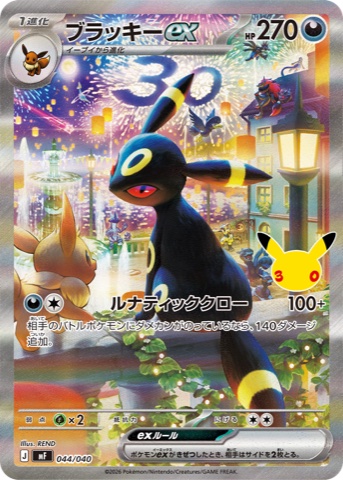 30th CELEBRATION Premium Deck Set Price in Japan: ¥18,000 vs ¥6,200
  Ninja Spinner Card Prices in Japan: Mega Greninja ex MUR at ¥59,800
  Abyss Eye Card Prices in Japan: Mega Darkrai ex MUR at ¥34,800
 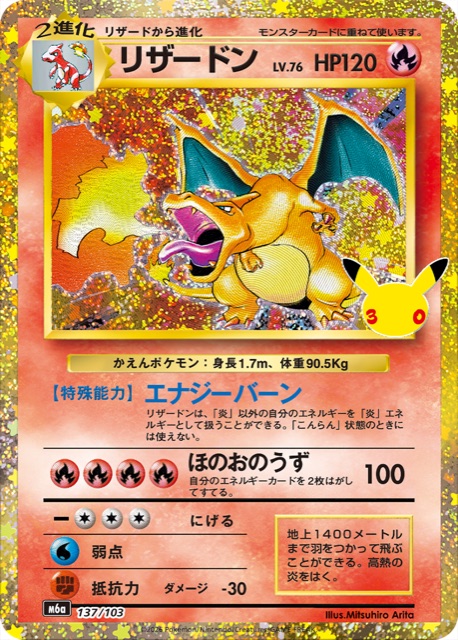 30th Celebration Classic Collection: Why Charizard & Lugia Doubled