What Do SAR and AR Mean? Japanese Pokémon Rarity Chart (2026)
The Rundown
- Japanese cards print a letter code (C, U, R, RR, AR, SR, SAR, UR) by the collector number; sets before Black & White used ● ◆ ★ symbols instead.
- AR = Art Rare and SAR = Special Art Rare (premium, textured full-art), both new in December 2022. SAR is the tier English collectors call SIR.
- Storm Emeralda (July 31, 2026) has 12 ARs and six SARs in the official card database. At yuyu-tei on October 16, 2026 the ARs sold for ¥320 to ¥780 and the SARs for ¥680 to ¥34,800.
- The naming trap: JP 'UR' is NOT the English 'Ultra Rare.' JP UR (gold cards) equals English Hyper Rare; JP SR equals English Ultra Rare.
- RRR, CHR, CSR, HR and K are real Japanese marks from the Sword & Shield era that the Scarlet & Violet ladder no longer uses.
Want this when it drops? We'll map the realistic ways to get it from Japan. Send a want list →
Contents
- What do SAR and AR mean on Japanese Pokémon cards?
- What does SAR mean on a Japanese Pokémon card?
- What does AR mean on a Pokémon card?
- Pokémon SAR cards in the current Japanese sets
- SIR vs SAR, and why a Japanese UR is not an Ultra Rare
- Japanese Pokémon rarity chart: the letter codes and the older symbols
- RRR, CHR, CSR and K: codes that aren’t in the current ladder
- How rare are Japanese Pokémon cards?
- Where to buy: Japanese SAR / AR cards
Where to buy: Japanese SAR / AR cardseBay(paid link)Mercari via Buyee(paid link)Yahoo! Auctions via Buyee(paid link)Fees and what to read first ↓
You’re looking at a Japanese Pokémon card and there’s a little code, “SAR”, “AR”, “UR”, printed near the number, and it means nothing to you. Japanese cards use a letter-based rarity system, and once you can read it, you know instantly whether a card is a common, a mid-tier holo, or a premium chase card. No Japanese required. Here’s the whole ladder, what AR and SAR actually are, and the one naming trap that trips up English collectors.
What do SAR and AR mean on Japanese Pokémon cards?
SAR means Special Art Rare, the tier English sets call a Special Illustration Rare (SIR), and AR means Art Rare, the tier English sets call an Illustration Rare. In the same set, Storm Emeralda, the ARs sold for ¥320 to ¥780 in Japan and the SARs for ¥680 to ¥34,800, read off Tokyo shop yuyu-tei (遊々亭) on October 16, 2026.
Here is how many of each tier the newest regular expansion has, and what they cost in Japan:
| Code | Stands for | English-set name | Count in Storm Emeralda | Japan price range (yuyu-tei, Oct 16, 2026) |
|---|---|---|---|---|
| AR | Art Rare (アートレア) | Illustration Rare | 12 (077–088/076) | ¥320–¥780 |
| SR | Super Rare (スーパーレア) | Ultra Rare | 18 (089–106/076) | ¥120–¥2,480 |
| SAR | Special Art Rare (スペシャルアートレア) | Special Illustration Rare (SIR) | 6 (107–112/076) | ¥680–¥34,800 |
| UR | Ultra Rare (ウルトラレア) | Hyper Rare | 0 (the gold slot is MUR 113/076) | — (no UR in this set; the MUR was ¥69,800) |
Counts come from the official Pokémon Card Game card database, checked October 18, 2026. Prices are yuyu-tei’s tax-included asking prices from our daily snapshot of its Storm Emeralda list. Two things the ranges show. First, the tiers overlap at the bottom: the cheapest SAR (the ギリー Supporter, ¥680) costs less than the three dearest ARs (Kyogre, Groudon and Kecleon, ¥780 each). Second, five of the six SARs were under ¥5,000, and one card, the Mega Rayquaza ex SAR at ¥34,800, carries the range. That card was ¥39,800 a month earlier, so check the date on any price you’re quoted. The full set, card by card, is in our Storm Emeralda price tracker.
What does SAR mean on a Japanese Pokémon card?
SAR stands for Special Art Rare — スペシャルアートレア, the term the official Pokémon Card Game site uses for it. It’s a premium full-art card with a textured, embossed finish, far scarcer than the ordinary art cards, and it’s the exact tier English collectors call a Special Illustration Rare, or SIR.
SAR arrived alongside AR in the Japanese high class pack VSTAR Universe in December 2022, and the official site marked the launch with interviews with the 16 illustrators behind that first wave.
Here is the full Japanese Pokémon rarity chart for Scarlet & Violet and MEGA era cards, from most common to rarest. The code column is exactly what’s printed on the card:
| Code printed on JP card | Japanese name | What it is | English-set equivalent |
|---|---|---|---|
| C | Common (コモン) | Standard non-holo card | Common |
| U | Uncommon (アンコモン) | Mid-tier non-holo card | Uncommon |
| R | Rare (レア) | Standard holo card | Rare |
| RR | Double Rare (ダブルレア) | Non-full-art Pokémon ex | Double Rare |
| AR | Art Rare (アートレア) | Full-art version of a regular card, several per box | Illustration Rare |
| SR | Super Rare (スーパーレア) | Full-art ex and full-art Supporters | Ultra Rare |
| SAR | Special Art Rare (スペシャルアートレア) | Premium textured full-art chase card | Special Illustration Rare (SIR) |
| UR | Ultra Rare (ウルトラレア) | Gold-bordered top tier | Hyper Rare |
Read the bottom row twice: a Japanese UR is not an English Ultra Rare. That trap has its own section below. The newest sets add one more code above the chart: Storm Emeralda’s top card is a gold MUR, covered further down.
What does AR mean on a Pokémon card?
AR stands for Art Rare (アートレア): a full-art version of an ordinary card, with the illustration running edge to edge instead of sitting boxed inside a frame. It’s the most attainable of the Japanese chase rarities, and it’s the exact tier English sets call an Illustration Rare.
An AR is mechanically the same card as its plain version — an AR Pikachu attacks for the same damage as the common Pikachu, so the whole difference is artwork and print treatment. The fast tell against the tier above it is texture: an SAR carries an embossed, ridged surface you can feel, and it’s far scarcer.
🎨 AR — Art Rare
- Full-art version of a regular Pokémon
- Appears several times per booster box
- Relatively attainable, lower price
- Maps to English Illustration Rare
✨ SAR — Special Art Rare
- Premium full-art with textured, embossed finish
- One of the scarcest tiers in the set
- A true chase card, higher price
- Maps to English Special Illustration Rare (SIR)
Pokémon SAR cards in the current Japanese sets
Storm Emeralda (ストームエメラルダ), the MEGA expansion released July 31, 2026, has six SARs: Mega Golisopod ex, Raikou ex, Mega Golurk ex, Mega Rayquaza ex and two Supporters. They sit at 107/076 to 112/076 in the official Japanese card database, above every AR and SR in the set.
That numbering is the pattern to learn. The set’s official count is 076, and everything numbered past it is a secret rare. We pulled the list from the official card search on October 1, 2026:
| Collector no. | Rarity mark | Card | Japanese name |
|---|---|---|---|
| 077–088/076 | AR | 12 Art Rares, from Masquerain to Kecleon | アメモース〜カクレオン |
| 089–106/076 | SR | 18 Super Rares: ex, Trainers and three Energy cards | メガグソクムシャex etc. |
| 107/076 | SAR | Mega Golisopod ex | メガグソクムシャex |
| 108/076 | SAR | Raikou ex | ライコウex |
| 109/076 | SAR | Mega Golurk ex | メガゴルーグex |
| 110/076 | SAR | Mega Rayquaza ex (Illus. Kazuki Minami) | メガレックウザex |
| 111/076 | SAR | Supporter card Girī | ギリー |
| 112/076 | SAR | Supporter card featuring Zinnia | ヒガナの信頼 |
| 113/076 | MUR | Mega Rayquaza ex, all-gold version | メガレックウザex |
Two things in that table catch people out. First, there is no UR in this set: the gold top slot is printed MUR, so search and price the gold Rayquaza as an MUR, not a UR. Second, the SAR and the MUR Mega Rayquaza ex share a Japanese name, so searching メガレックウザex alone mixes the plain card, the SAR and the gold one. Add the number (110 or 113) to your search. Our Storm Emeralda chase card guide covers which of them people actually chase.
The newer 30th CELEBRATION set (September 16, 2026) goes a step further: its official product page introduces a brand-new FUR (フューチャリスティックレア, Futuristic Rare) mark for its Mew ex and Mewtwo ex. The chart above still covers everything else you’ll see.
1 · Where the code is printed
The collector number and the rarity code sit together along the bottom edge — bottom-left or bottom-right depending on the card.
2 · What each code maps to
- ARArt Rarefull-art version of a regular card · EN: Illustration Rare
- SRSuper Rarefull-art ex and full-art Supporters · EN: Ultra Rare
- SARSpecial Art Rarepremium textured full-art · EN: Special Illustration Rare (SIR)
- URUltra Raregold-bordered top tier · EN: Hyper Rare
Scarlet & Violet era cards. Schematic. Not a reproduction of any card.
The first four, C, U, R, RR, are the bulk of any set, and the action starts at AR. None of this needs Japanese: find the code, match it to the ladder, done.
SIR vs SAR, and why a Japanese UR is not an Ultra Rare
Same tier, two abbreviations. SAR (Special Art Rare) is the code physically printed on Japanese cards; SIR is how English-speaking collectors shorten Special Illustration Rare, the English name for that tier. So “is it SAR or SIR” depends entirely on which printing is in front of you.
English sets don’t print letter codes at all — rarity there is a symbol in the bottom corner, so SIR is collector shorthand, not a stamp. Japanese sets do print the letters, which is why “SAR” turns up in Japanese shop listings and set lists while “SIR” almost never does. A Japanese SAR and an English SIR of the same Pokémon are one illustration in two languages, and any price gap between them is a market difference, not a rarity difference.
⚠️ The "UR" trap: same words, different tier
A Japanese "UR" is not the English "Ultra Rare." Japanese UR is the gold-bordered card that English calls Hyper Rare, while the English "Ultra Rare" tier corresponds to the Japanese SR. Read the Japanese letter code itself: don't translate the words in your head, or you'll misprice the card.
That mapping is why Japanese sets work as a preview: the AR and SAR cards in a Japanese release are the exact cards that become English Illustration Rares and SIRs months later. Our JP-to-English set mapping guide breaks down the timing.
🗼 Once you know the code
Reading the code tells you what a card is; it doesn't get the card to you — Japanese shops list it by set code and collector number, in Japanese, and sell domestically. No hurry on this. Whenever you have settled on the exact card, send the set code and number and the desk checks what is genuinely listed here, then sends back a free report: the listings we would pick, the yen price, condition notes, and an all-in estimate including proxy fees and shipping to your country. The report costs nothing and commits you to nothing. You buy directly from the links; our job is finding the best way to buy it from Japan and telling you.
Get a free report on a card code →
The Tokyo Sourcing Desk is our own free service. Editorial policy.
Japanese Pokémon rarity chart: the letter codes and the older symbols
The letter codes only go back to the Black & White era. Before that, Japanese sets used the same three symbols English collectors know — ● circle for Common, ◆ diamond for Uncommon, ★ star for Rare — printed in the same spot at the bottom of the card.
Bulbapedia dates the switch precisely: beginning with the Black Collection and White Collection sets, Japanese releases dropped symbols for bolded letters. So the kind of mark dates a card before you’ve read the rarity at all.
| What’s printed | Era | What it means |
|---|---|---|
| ● circle | Before Black & White | Common |
| ◆ diamond | Before Black & White | Uncommon |
| ★ star | Before Black & White | Rare |
| C / U / R / RR | Black & White onward | Common / Uncommon / Rare / Double Rare |
| AR / SAR | December 2022 onward | The art rarities, introduced in VSTAR Universe |
The position never changes: bottom edge of the card, beside the collector number.
RRR, CHR, CSR and K: codes that aren’t in the current ladder
RR is in the ladder above. It means Double Rare, the non-full-art ex. RRR, CHR, CSR, HR, A and K are real Japanese rarity marks too, but they belong to the Sword & Shield era and were dropped when Scarlet & Violet simplified the ladder.
| Mark | Name | Era | What it is |
|---|---|---|---|
| RR | Double Rare (ダブルレア) | Still current | Non-full-art ex; V cards in Sword & Shield |
| RRR | Triple Rare (トリプルレア) | Sword & Shield | VMAX, VSTAR and V-UNION cards |
| CHR | Character Rare (キャラクターレア) | Sword & Shield | Art pairing a Pokémon with a related character |
| CSR | Character Super Rare (キャラクタースーパーレア) | Sword & Shield | The premium version of that same idea |
| HR | Hyper Rare (ハイパーレア) | Sword & Shield | Rainbow-colored SR and RRR cards |
| K | Radiant Pokémon (かがやくポケモン) | Sword & Shield | Textured Shiny Pokémon cards |
| A | Amazing Rare (アメイジングレア) | Sword & Shield | Textured Legendary Pokémon cards |
A second naming trap hides in that table: JP HR (Hyper Rare) is the rainbow card, JP UR is the gold one, and it’s UR that English calls Hyper Rare. Two Japanese marks, one English word.
Two codes people search for don’t belong on the list at all. SSR circulates in English as “Shiny Super Rare” for the Sword & Shield shiny sets, but PokeGuardian’s own rarity guide flags that name as unconfirmed — The Pokémon Company has never published it. LR appears in neither rarity list we checked, so if you’re reading an “R / SR / SSR / UR / LR” ladder, it isn’t one either source treats as Pokémon’s.
How rare are Japanese Pokémon cards?
Nobody outside The Pokémon Company can put a number on it: no official pull rate or insertion ratio has ever been published for any Japanese set. What collectors have documented is the box-level pattern. Roughly one SR plus several ARs and multiple RRs in a standard 30-pack expansion box, with SAR and UR landing on top at unknown odds.
So an AR is a nice pull but a common sight, while a named SAR or UR is the reason people rip cases, which is also why buying the single is usually cheaper than chasing it in sealed product. What a box does and doesn’t guarantee is in our box odds guide; the sealed-versus-singles math is in our JP vs EN cards comparison.
Our guide to buying Japanese cards from overseas covers the routes, and the JP release calendar shows what’s landing next.
Frequently asked questions
What does SAR stand for?
Special Art Rare. The official Pokémon Card Game site spells it out as スペシャルアートレア (supesharu āto rea), and the three letters are printed in bold beside the collector number along the bottom edge of the card. English sets call the same tier a Special Illustration Rare, which collectors shorten to SIR.
What does AR stand for on Pokémon cards?
Art Rare — アートレア (āto rea) on the official Japanese site. An AR is a full-art version of a card that also exists in a plain version, with the illustration running edge to edge instead of sitting boxed in a frame. English sets call that tier an Illustration Rare. AR and SAR both launched in the Japanese high class pack VSTAR Universe in December 2022.
Is there a Japanese Pokémon rarity symbols chart?
Yes. Modern Japanese cards print a letter code (C, U, R, RR, AR, SR, SAR, UR) next to the collector number, and cards from before the Black & White era print a ● circle, ◆ diamond or ★ star instead. The chart near the top of this page lists every current code with its Japanese name and English-set equivalent.
How many SAR cards are in Storm Emeralda?
Six, according to the official Japanese card database: Mega Golisopod ex, Raikou ex, Mega Golurk ex, Mega Rayquaza ex and two Supporters, numbered 107/076 to 112/076. The gold Mega Rayquaza ex at 113/076 is a separate MUR card, not an SAR.
What is the difference between AR and SAR?
AR (Art Rare) is a full-art version of a regular card and the more plentiful of the two art tiers, so it's relatively attainable. SAR (Special Art Rare) is the premium tier: full-art with a textured finish, scarcer, and one of the cards people open boxes to chase. In Storm Emeralda the ARs sold for ¥320 to ¥780 and the SARs for ¥680 to ¥34,800 at yuyu-tei on October 16, 2026.
What is a SAR Pokémon card worth in Japan?
It depends on the card far more than the tier. Storm Emeralda's six SARs ran from ¥680 (the ギリー Supporter) to ¥34,800 (Mega Rayquaza ex 110/076) at Tokyo shop yuyu-tei on October 16, 2026, and five of the six were under ¥5,000. Launch-week prices are the least reliable: that same Rayquaza SAR was listed at ¥128,000 on August 3 and ¥39,800 on September 16.
Is SAR rarer than AR?
Yes. SAR sits above AR on the printed ladder and sets carry fewer of them: Storm Emeralda has 6 SARs against 12 ARs in the official card database. Pokémon has never published pull rates for either tier, so how much rarer per pack has no official number.
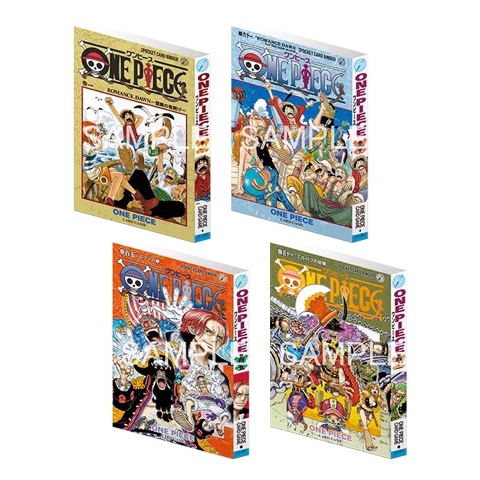 One Piece BASE SHOP Limited Binder vol.1: ¥1,650, Store-Only Oct 9
  30th CELEBRATION Deck Cases: ¥500 and ¥3,300, and the One to Buy
  Japanese Booster Box Guarantees by Set: Packs, Price and Hits